



Ecclesiastes, 47 min.
“Before you is... It is difficult for me to find the right word. It is probably, nonetheless, a translation. Only an unusual one. Or, more precisely, an atypical one. And, most importantly, an ambiguous one. What a strange combination of words: ambiguous translation! They are mutually exclusive. But first, about its atypical nature. This consists in the fact that, besides the common language, the language of photography is used in the 'translation.' It is very difficult to translate 'Ecclesiastes' into verbal forms. And I am not just referring to the translation from Hebrew into other languages. Even from Hebrew to Hebrew—paradoxically—this text translates with difficulty. In the millennia that have elapsed since the moment of its writing, the links between images and words have blurred, changed their colors, and sometimes simply transformed until they became unrecognizable. This happens in the case of an attempt to comprehend the text, so to speak, in its mother tongue. What can we say then about foreign languages? Any translation automatically moves into the sphere of interpreting the text within the translators' system of values and life coordinates, which does not always coincide with that of the reader. And this is by no means a mistake on the part of the translators or their fault. They simply have no other choice. An artistic image cannot be described in words. (...)
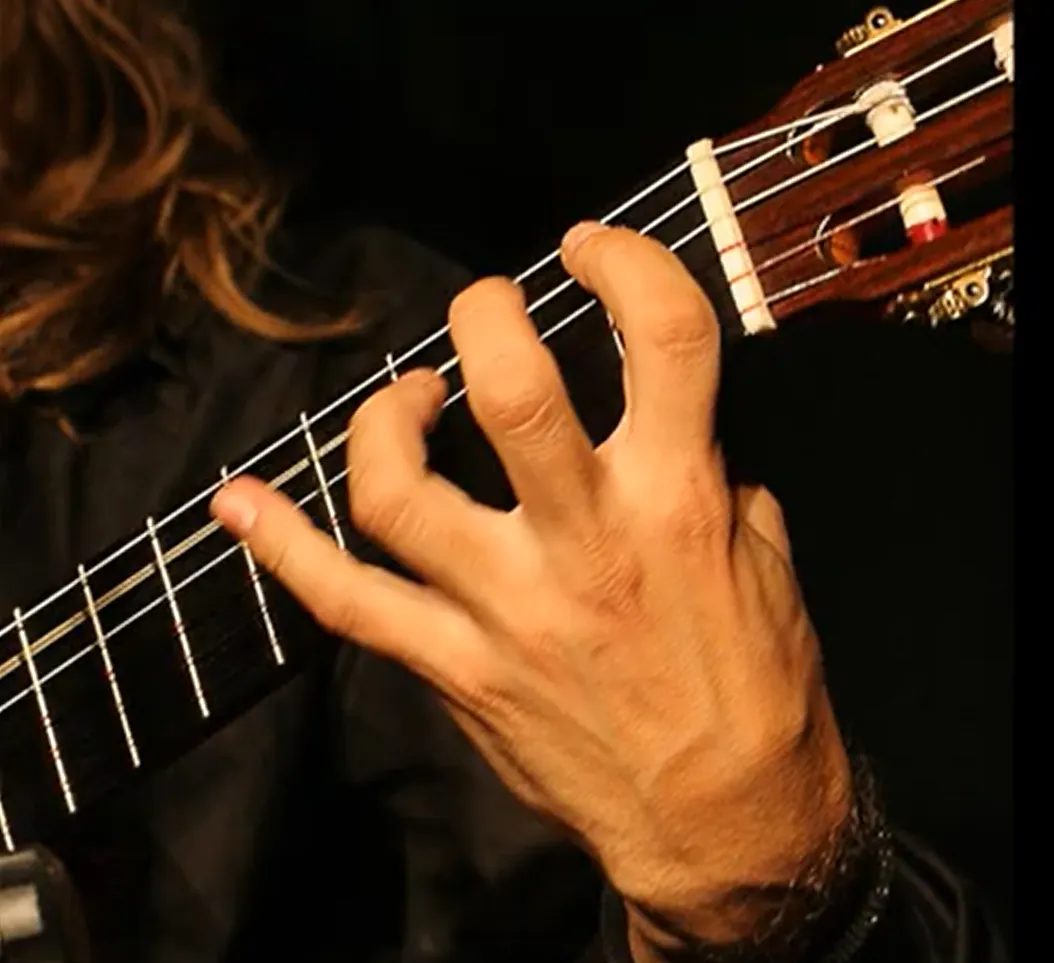
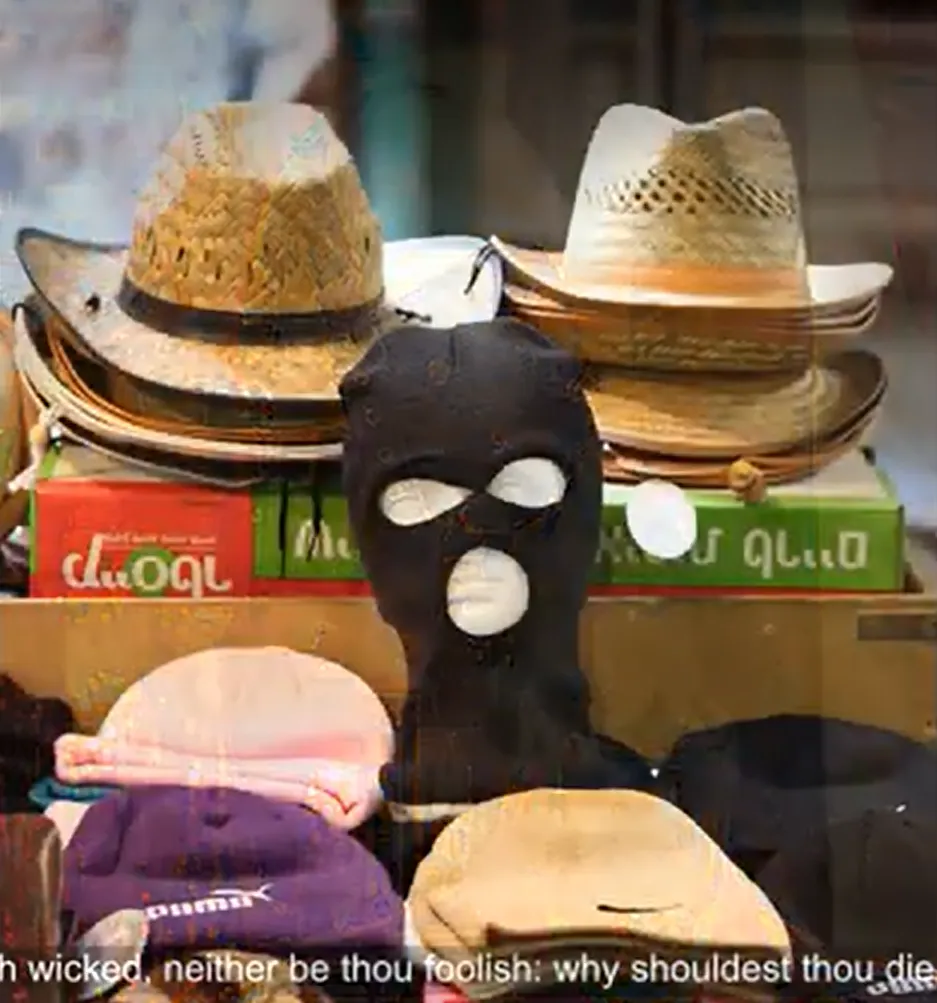
The 'photo-translation' is divided into chapters. In accordance with the Book of Ecclesiastes or the Preacher, there are twelve of them. When you open a chapter, you will hear the text and see photographs melting into one another. Sometimes they coincide with the images of the current chapter, other times they may relate to other chapters. This is of no importance, because the connections are based on my inner sensations and associations, and you, I hope, will have your own. The Synodal translation of the Bible was used as the text (...).” (Dmitri Brikman)
